
CONTENT ON THIS BOOKS IS HELPFUL TO BECOME A MILLONARE AND IT ALSO USEFUL TO BECOME A BILLIONARE TOO
Why do you want become a rich ? Comment below I ll reply to everyone
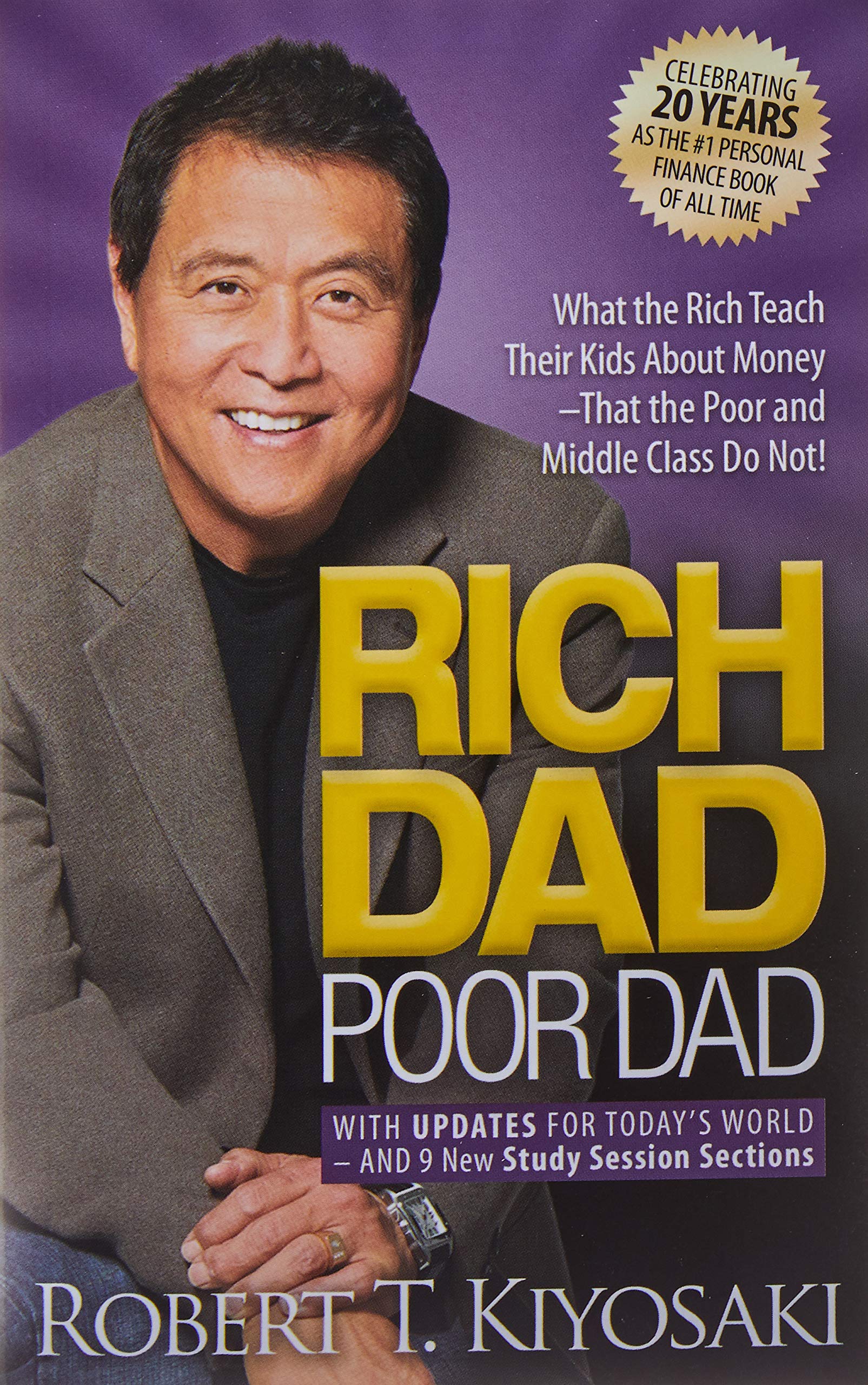
1.RICH DAD POOR DAD BY ROBERT KIOSAKI
CONTENT ON THIS BOOK
IF you’ve ever searched “best personal finance books to read” on Google, you’ve most likely seen the title “Rich Dad, Poor Dad” appear at the very top. The book, written by Robert T. Kiyosaki and Sharon L. Lechter, has reportedly sold more than 32 million copies in 40 languages across 40 countries since it was published in 2002.
“Rich Dad, Poor Dad” is an allegorical story about Robert Kiyosaki and his two dads, and how growing up with them shaped his financial views. The “rich dad” is Kiyosaki’s biological father, a highly educated college professor. The “poor dad” is Kiyosaki’s best friend’s father, a wealthy entrepreneur who owns dozens of businesses. Both dads offer conflicting advice on money.
Poor Dad mentality
“Poor dad” believes that one should work for money as a single-salaried employee at a stable job, and that a person’s wealth largely depends on their family background. He believes that the most important things you can do to financially survive (or accumulate wealth) is to read and learn from successful people. Many people think this mentality can trap a person into working a job they don’t love, but is willing to stick with because they have to pay the bills.
Rich Dad mentality
“Rich dad” advises Kiyosaki to get a job so he can learn the skills required to be an entrepreneur. Wealth comes from experience-based learning and multiple income streams. When the “poor dad” encourages working your way up the ladder, “rich dad” laughs and says, “Why not own the ladder?”
While the advice in “Rich Dad, Poor Dad” — and from Kiyosaki himself — have garnered some controversial attention, the book does offer a handful of power lessons that can be useful to anyone looking broaden their views on money.
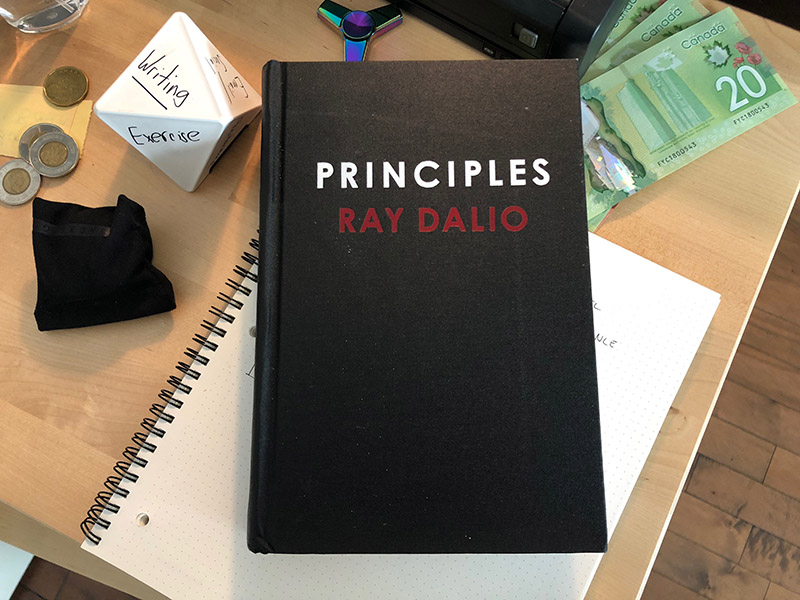
2.PRINCIPLES BY RAYDALIO
CONTENT ON THIS BOOK
To be principled is to consistently operate with principles that can be clearly explained.
Adopting principles without giving them much thought can expose you to the risk of acting in ways inconsistent with your goals and your nature.
Think for yourself to decide:
- What you want
- What is true
- What you should do to achieve 1 in light of 2
To be a successful entrepreneur, you have to bet against the consensus, which means being painfully wrong a lot.
To be principled is to consistently operate with principles that can be clearly explained.
Adopting principles without giving them much thought can expose you to the risk of acting in ways inconsistent with your goals and your nature.
Think for yourself to decide:
- What you want
- What is true
- What you should do to achieve 1 in light of 2
To be a successful entrepreneur, you have to bet against the consensus, which means being painfully wrong a lot.
Dalio saw the only way to succeed would be to:
- Seek out the smartest people who disagreed with him so he could try to understand their reasoning
- Know when not to have an opinion
- Develop test, and systematize timeless and universal principles
- Balance risks in ways that keep the big upside while reducing the downside
3.THE SUCCESS SYSTEM THAT NEVER FAIL
CONTE NT ON THIS BOOK IS
The Success System that never fails covers the importance of selecting the correct environment for success, understanding the formula for success, thinking for oneself, the importance of taking action, and many other rules and disciplines that lead to success.Stone teaches what he calls the three essentials for success: Inspiration to Action; Know How; and Activity Knowledge. These would also be understood as inspiration and motivation, knowledge of how to do something, and knowledge gained from experience. Each of these is essential in the pursuit of success.Article Source:
Three Great Ideas You Can Use:
1. You can neutralize a negative emotion that limits you through properly directed action. You can change how you feel and think through your own directed action.
2. While learning and planning are critical to success nothing is more important than taking action and striking when opportunity presents itself. “Do it Now” is an axiom that will empower you.
3. If you cannot save money the seeds of success will remain forever elusive. Having a budget and planning for the future are essential.
4.UNLOCK IT BY DANLOK
CONTENT ON THIS BOOK
Who This Book Is For
Unlock It is a business goldmine for entrepreneurs, CEOs, educators, and anyone looking to gain financial independence. Whether you are trying to get that promotion, figure out how to quit your job and become a freelancer, launch your entrepreneurial idea into a business, scale your existing business to the next level, or turn your current success into something very significant, Unlock It has something for you.
What You’ll Get
Out Of The Book
- Discover Wealth Triangle Dynamics
- Uncover Your High-Income Skill
- Find Out If You Have What It Takes to Finally Fire Your Boss
- Target the Best Way to Scale Your Business Idea
- Master High-ROI Investment Strategies
- Learn How to Achieve the Highest Level of Wealth, Success, and Significance
- Become Financially Independent – maybe for the first time ever
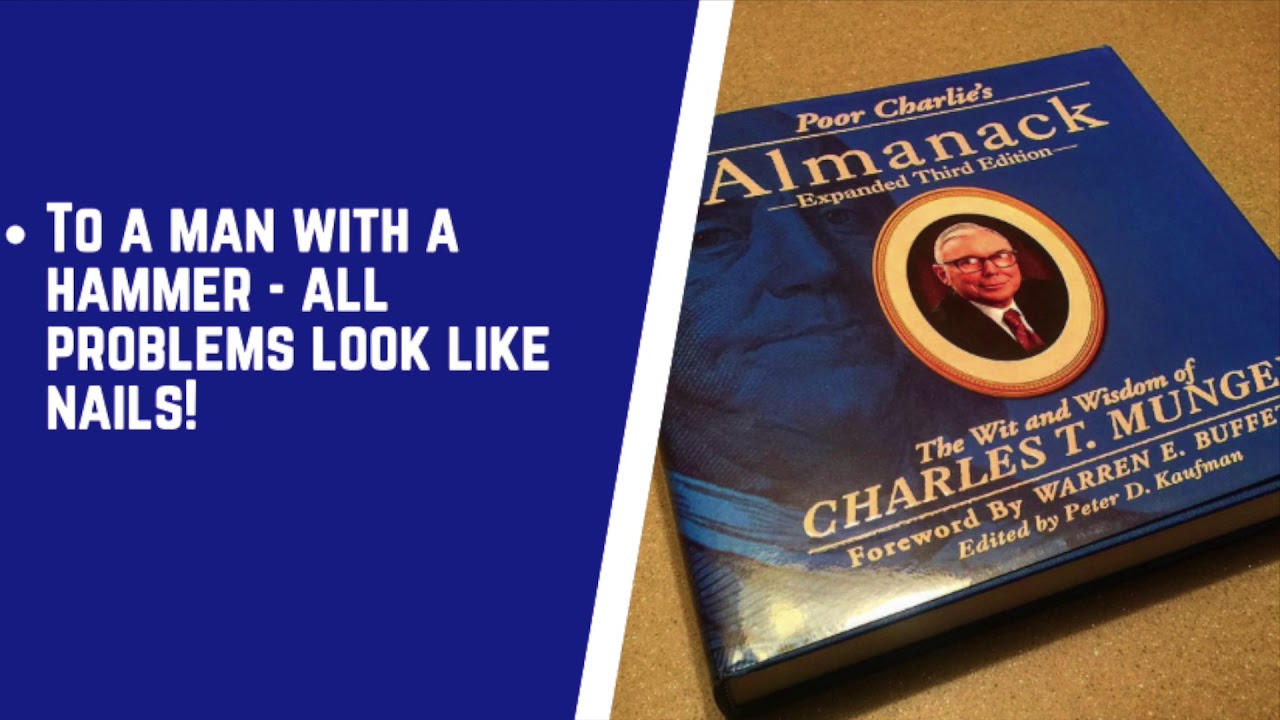
5.POOR CHARLIE’S ALMANACKBYCHARLIEMUNGER
CONTENT ON THIS BOOK
Charlie Munger is Warren Buffett’s long-time partner at Berkshire Hathaway. Content to being the lesser known of the two, Munger is no less impressive. Bill Gates says that Charlie “is truly the broadest thinker I have ever encountered.” Of their 50-year partnership, Buffett “couldn’t be more grateful” for their friendship and says Charlie fits the profile of the ideal partner who is “both smarter and wiser.”
Poor Charlie’s Almanack is a collection of Charlie Munger’s best advice given over 30 years, in the form of 11 speeches given as commencement addresses and roundtable talks. In all his talks, he shows wit, rationality, and incredible clarity of thought.
In this summary of Poor Charlie’s Almanack, I’ve extracted the most important points and organized them by topic. It’s no replacement for his original speeches (where he says things like “if you mix raisins with turds, and you’ve still got turds”). But this summary helps remind me of his main lessons.
You’ll learn why Charlie considers multidisciplinary learning vital to success, his checklist when making investments, and how to build a trillion dollar company from scratch.
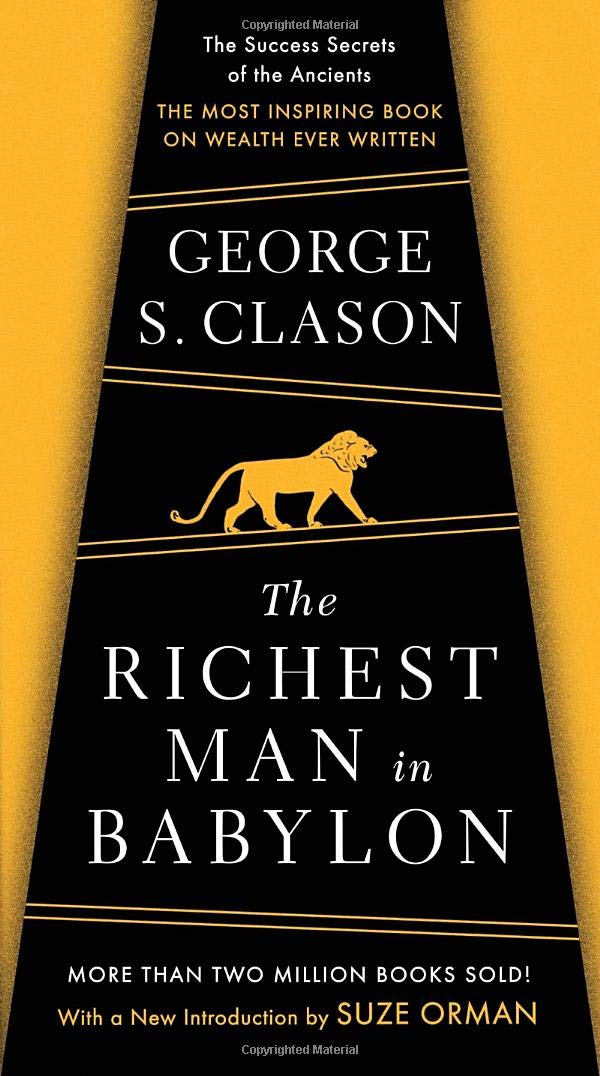
6.THE RICHEST MAN IN BABYLON BY GEORGE S.CLASON
CONTENT ON THIS BOOK
The Book in Three Sentences
Save at least 10 percent of everything you earn and do not confuse your necessary expenses with your desires. Work hard to improve your skills and ensure a future income because wealth is the result of a reliable income stream. You cannot arrive at the fullest measure of success until you crush the spirit of procrastination within you.
The Richest Man in Babylon summary
This is my book summary of The Richest Man in Babylon by George S. Clason. My notes are informal and often contain quotes from the book as well as my own thoughts. This summary also includes key lessons and important passages from the book.
The Book in Three Sentences
Save at least 10 percent of everything you earn and do not confuse your necessary expenses with your desires. Work hard to improve your skills and ensure a future income because wealth is the result of a reliable income stream. You cannot arrive at the fullest measure of success until you crush the spirit of procrastination within you.
The Richest Man in Babylon summary
This is my book summary of The Richest Man in Babylon by George S. Clason. My notes are informal and often contain quotes from the book as well as my own thoughts. This summary also includes key lessons and important passages from the book.
- The 7 simple rules of money: 1) Start thy purse to fattening: save money. 2) Control thy expenditures: don’t spend more than you need. 3) Make thy gold multiply: invest wisely. 4) Guard thy treasures from loss: avoid investments that sound too good to be true. 5) Make of thy dwelling a profitable investment: own your home. 6) Ensure a future income: protect yourself with life insurance. 7) Improve thy ability to earn: strive to become wiser and more knowledgable.
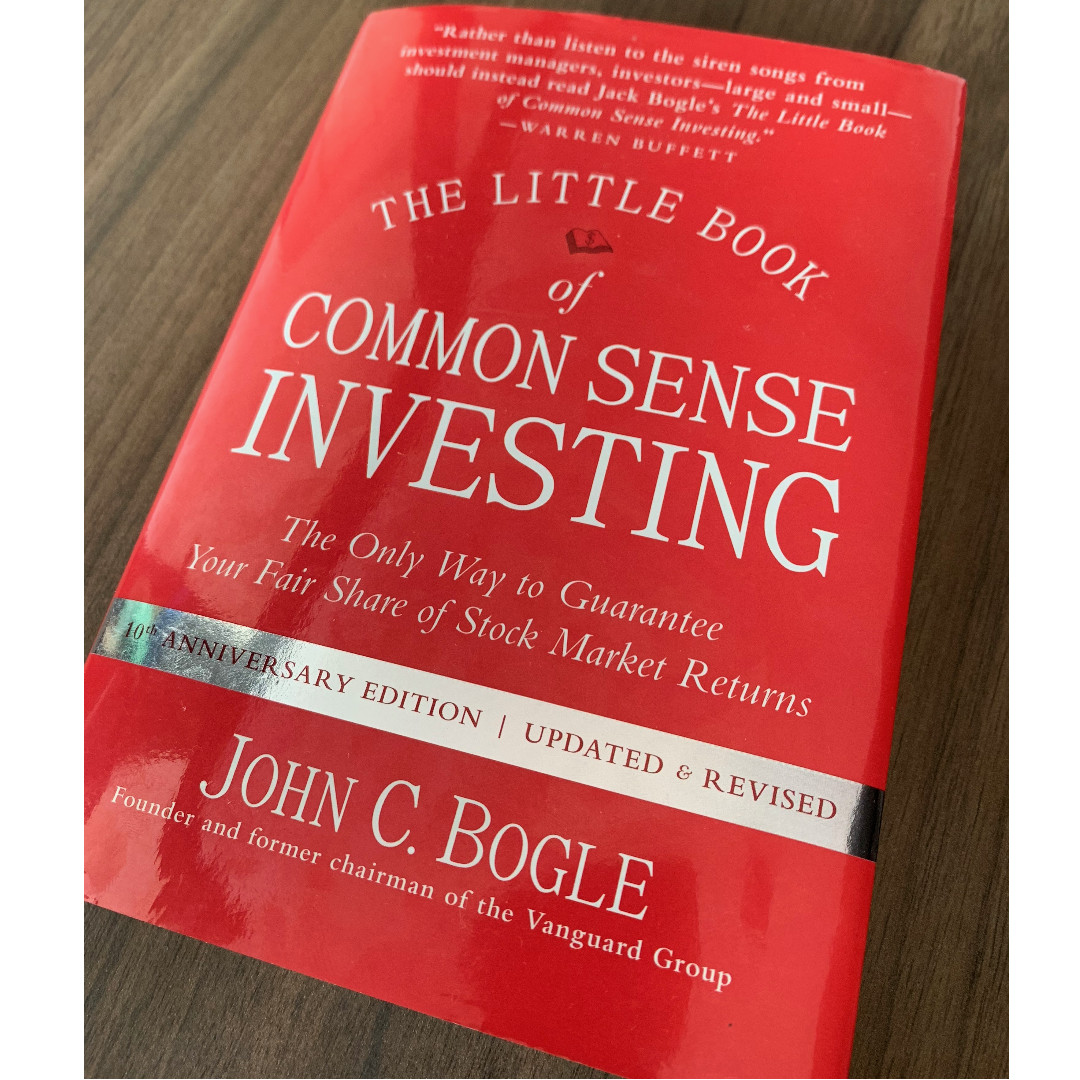
7.THE LITTLE BOOK OF COMMON SENSE INVESTING BY JOHN C BOGLE
CONTENT ON THIS BOOK
1-Sentence-Summary: The Little Book of Common Sense Investing shows you an alternative to actively, poorly managed, overpaid funds by introducing you to low-cost, passive index funds as a sustainable investing strategy, which gets you the retirement savings you need without the usual hassle of stock investing.
John “Jack” Bogle is a genius. In a time when everyone tried to beat the market with great stock picks and then charge expensive fees for it, he thought: “Why not just mimic what the indexes are doing and not manage anything?” This little thought turned into one of the most prevailing investment ideas of the following century, and one of the most respected investment companies in the world.
Bogle’s invention, the index fund, is still one of the safest and stress-free ways of investing today and in this little book he outlines why, and how you can get started with one.
Here are 3 lessons about the power of index funds:
- Actively managed funds suck, because past profits don’t guarantee future success.
- The majority of your money is best invested in safe, low-cost index funds.
- You can’t go wrong by just choosing the cheapest index fund.
8.HOW TO BE RICH BY J PAUL GETTY
CONTENT ON THIS BOOK
- In 1915, Getty bought his first oil well. Then he sold its lease for $15,000.
- He, along with his father create the Getty Oil Company. This was the year 1916. Getty got 30% stock.
- Getty became a millionaire by the age of 24. And he was ready to retire that time.
- Fortune magazine named him “The Richest Person in the US” in 1957. By then he was a billionaire.
- As per Getty, true richness is lasting and helps society.
- He never had issues with labor unions. Because he knew the rights to collective bargaining, he thought that unions help increase living standards.
- Getty found that executives are mainly worried about keeping their jobs. They don’t focus on the amount of work they do.
- Every month he got at least 3,000 letters. Some of these asked for jobs, some requested money, while some were marriage proposals.
- People are having a “millionaire mindset” are knowledgeable, smart and intelligent.
- Great executives are creative, loyal, efficient and problem solvers.
Getty’s Golden Rules to Make Money
- Go into businesses you know and understand.
- Focus on producer more enormous amounts of good products/services.
- Be economical first. Then think of making money.
- Don’t ignore new chances of expansion. They can be anywhere. But, check properly and don’t fall prey to the urge to over-expand.
- Delegate jobs in your business. But, always be responsible for overseeing your workers.
- Reduce costs and improve productivity. This should be the same in both good and bad times.
- Take risks. And be ready to use borrowed funds. But, always pay back the loans fast. This will help improve your credit rating.
- Always be on the look for new markets and opportunities.
- Take pride in what you do. Keep a flexible service policy and solve consumer issues fast.
- Wealth comes with responsibility. Hence, use your money to help others. These may also include your workers, shareholders.
9.THE LATTE FACTOR BY JHONDAVIDSON

CONTENT ON THIS BOOK IS
This simple and important concept has generated a fair amount of controversy. As reported by Mandi Woodruff of Business Insider, Helaine Olen has taken aim at the Latte Factor in her book, Pound Foolish: Exposing the Dark Side of the Personal Finance Industry. Her complaints include the following:
- Bach’s assumption that a latte costs $5 is too rich. Lattes are cheaper than that.
- Bach assumed we could earn 10% or 11% if we invested our money instead. Olen believes those returns are unrealistic.
The criticism, however accurate, misses the point of the Latte Factor. For starters, the Latte Factor isn’t about lattes. It’s about any seemingly trivial discretionary expense we incur. Second, picking on the rate of return Bach assumed may change the numbers, but it doesn’t change important lessons we can learn.
Indeed, this simple concept can teach us everything we need to know to achieve financial freedom.
Here are seven key concepts:
- Compounding: Small amounts of money invested over time turn into a mountain of cash. We don’t need to assume $5 a day at 11%. Let’s assume $3.50 a day at 6%. That’s exactly what Vanguard did in a recent article. The result over 30 years was $106,000. This calculator will show the results using your own assumptions of amount and return.
- Time: In the above article Vanguard assumed we invested the $3.50 a day for 30 years. What if we increased that time to 40 years, or decreased it to 20? If we had stopped saving and investing after 20 years, we’d end up with about $48,000, a difference of about $60,000. If we continued investing for 40 years, our balance would grow to $209,000, a difference of more than $100,000. Time matters. Think about that when you consider whether you should wait to invest until all your debt is paid off.
- Return: Olen complained about a 10% return assumption. It’s an important point, because a change of even 1%, given enough time, has a major impact on our wealth. Vanguard assumed a 6% return. If we change that assumption to 7%, $106,000 turns into over $128,000. Consider that the next time a financial advisor tries to convince you that a 1% fee is reasonable.
- More Than Lattes: Focusing just on a cup of coffee misses the point entirely. The Latte Factor applies to everything from how much we pay for cable (if we have it at all) to whether we own one car or two (or none). I believe that many families could remove hundreds of dollars a month from their budget by taking a close look at their monthly bills. I call it the One-N-Done method of saving money. If a family could save $250 a month from their budget, that turns into more than $250,000 after 30 years at a 6% return.
- Habits: Some dismiss the Latte Factor because they want to “enjoy” life. I often hear that “life is short” and that we must “live for the day.” These clichés certainly have some truth. Yet rarely do I hear people say, “Life is short, I’m going to read a good book” or “Life is short, I’m going to spend time with family.” For some reason, these clichés are always used to justify spending money. Here’s the point. We spend money on stuff that doesn’t make us happy. It may give us some immediate gratification, but no lasting joy. If we ran an experiment and shunned our “lattes” for 21 days, I think we’d find that we didn’t miss them at all. That’s true whether we are talking about a cup of coffee, 500 cable channels, or a third car.
- Control: I’ve noticed that when it comes to money, many resist the idea that they have control over their finances. For some reason, we take comfort believing that we are the victims of the “system” or the “one percent” or some other ill-defined group. It helps us avoid accountability. That’s not to deny that things happen to us that are outside of our control. Sometimes good things happen, sometimes bad things happen. But the Latte Factor demonstrates that we have far more control over our financial destiny than many would have us believe.
- Small Amounts Matter: Finally, the Latte Factor shows us the power of small amounts of money. Every dollar that comes through our hands represents possibilities. Of course, we spend money on needs, and we spend money on wants. But every dollar we can save and put to work for us will compound if given enough time. This enables us to build wealth on almost any income.
FINALLY THESE ARE THE BOOKS TO READ TO BECOME A MILLIONARE AND BILLIONARE
PLEASE SUPPORT ME GUYS AND FOLLOW MY BLOG……
 BUSSINESSMINDWORKS